
Innovation Starts With Access: Unearthing Untapped Potential in Rural Communities-Article By: Boateng Emmanuel Junior, Member
In the quiet nooks of rural communities, away from the bright lights of city life, there is an abundance of raw, untapped potential. Bright brains with high goals cross sandy roads to school, often without basic necessities but full of desire. They face several hurdles, yet their ability to innovate and lead is on par with their urban counterparts. What stands in the way is access, not talent.
Educational foundations that help smart but underprivileged students have emerged as significant participants in closing the rural-urban educational gap. These foundations are finding and developing exceptional students in rural locations, resulting in a generation of thinkers, problem solvers, and innovators who would otherwise go unnoticed.

Privilege does not drive innovation; rather, perspective does. Students from rural areas frequently have a thorough awareness of local difficulties such as access to clean water, inadequate healthcare, insufficient infrastructure, and unreliable electricity. When given the right tools, expertise, and opportunities, these students are well positioned to create locally relevant solutions that outsiders may overlook.
Education is not a way to escape poverty—it is a way of fighting it.
Julius Nyerere, former President of Tanzania
For instance, a student from a farming community who receives financial assistance from an educational foundation may go on to study agricultural engineering before returning to build economical irrigation systems that meet local requirements. These inventions have the ability to transform entire communities, thereby reducing poverty, and it all starts with access to education.
Challenges Facing Rural Learners
Despite their potential, rural students often face steep barriers like:
i. Financial hardship to abandon school early
ii. Long distances to schools
iii. Limited access to technology and the internet
iv. Fewer qualified teachers and educational resources
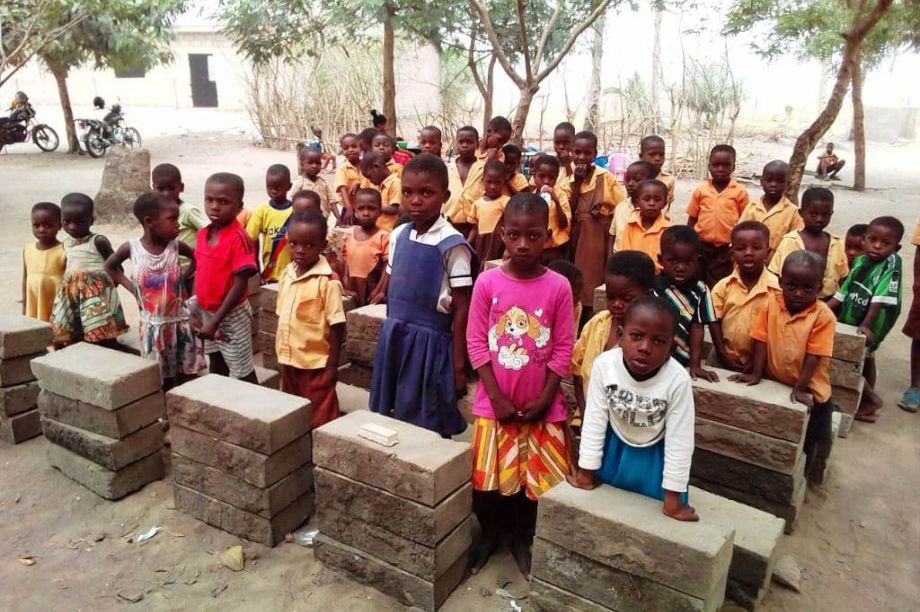
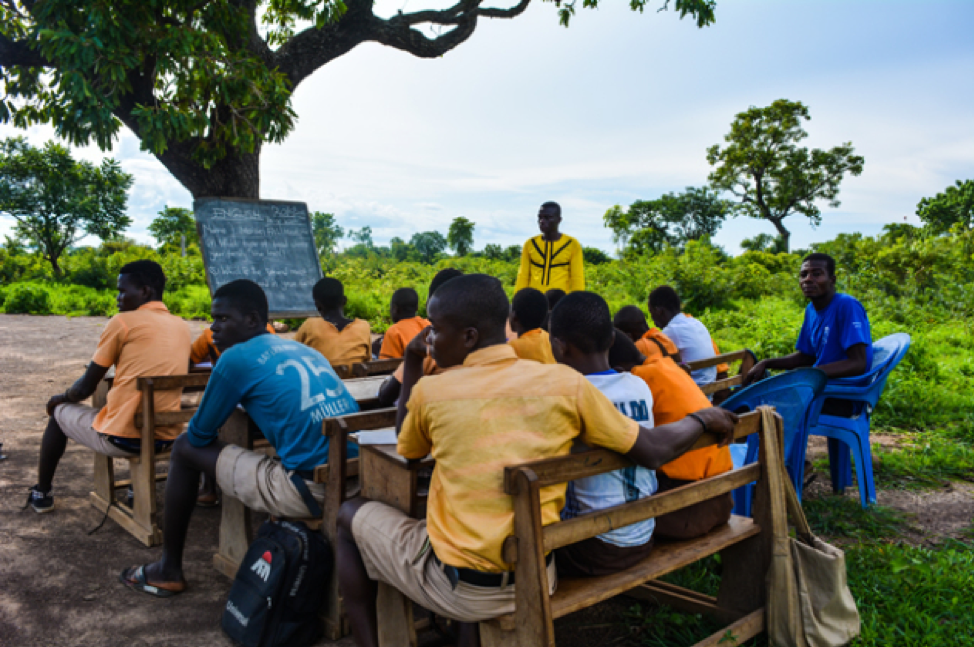
Educational foundations help by giving scholarships, school materials, mentorship, and access to more opportunities. Their intervention can frequently mean the difference between a lost dream and a future leader.
A Broader Impact on National Development
Investing in rural students is more than just a charitable act; it’s a strategic step for national development.
“We cannot always build the future for our youth, but we can build our youth for the future.” — Franklin D. Roosevelt
When rural adolescents are educated and empowered, they do not just benefit their families but also bring development to their communities. They become teachers, health professionals, entrepreneurs, and changemakers, helping bridge the inequality gap that continues to challenge many developing nations.
Furthermore, tapping into rural talent enhances problem-solving variety, which enriches national innovation.
To recapitulate, the next great innovator may emerge from a small rural school with a chalkboard, tenacity, and the support of an educational foundation, rather than a well-equipped lab in the city.
“Talent is universal, but opportunity is not.” — Nicholas Kristof, journalist and humanitarian
By focusing on access, we are not only assisting individuals but also investing in future solutions. This is because, creativity does not begin with privilege. The first step is to gain access.